Real calls on what happens next in games. Vote free, build a streak, see where the operators land. From the Player Driven crew.
Watch the take. Every call starts with a real argument from the show.
Make the call. Vote free, no account needed.
Build your streak. Sign in and your record goes on the board.
Built for the people running games: community, player support, live ops, trust & safety, monetization, and the folks who fund them. Pick your lens in the Meta Report →
In play now
Your run· 0/4 today
Debate
Is Xbox Labs the right move?See the 20-second briefing
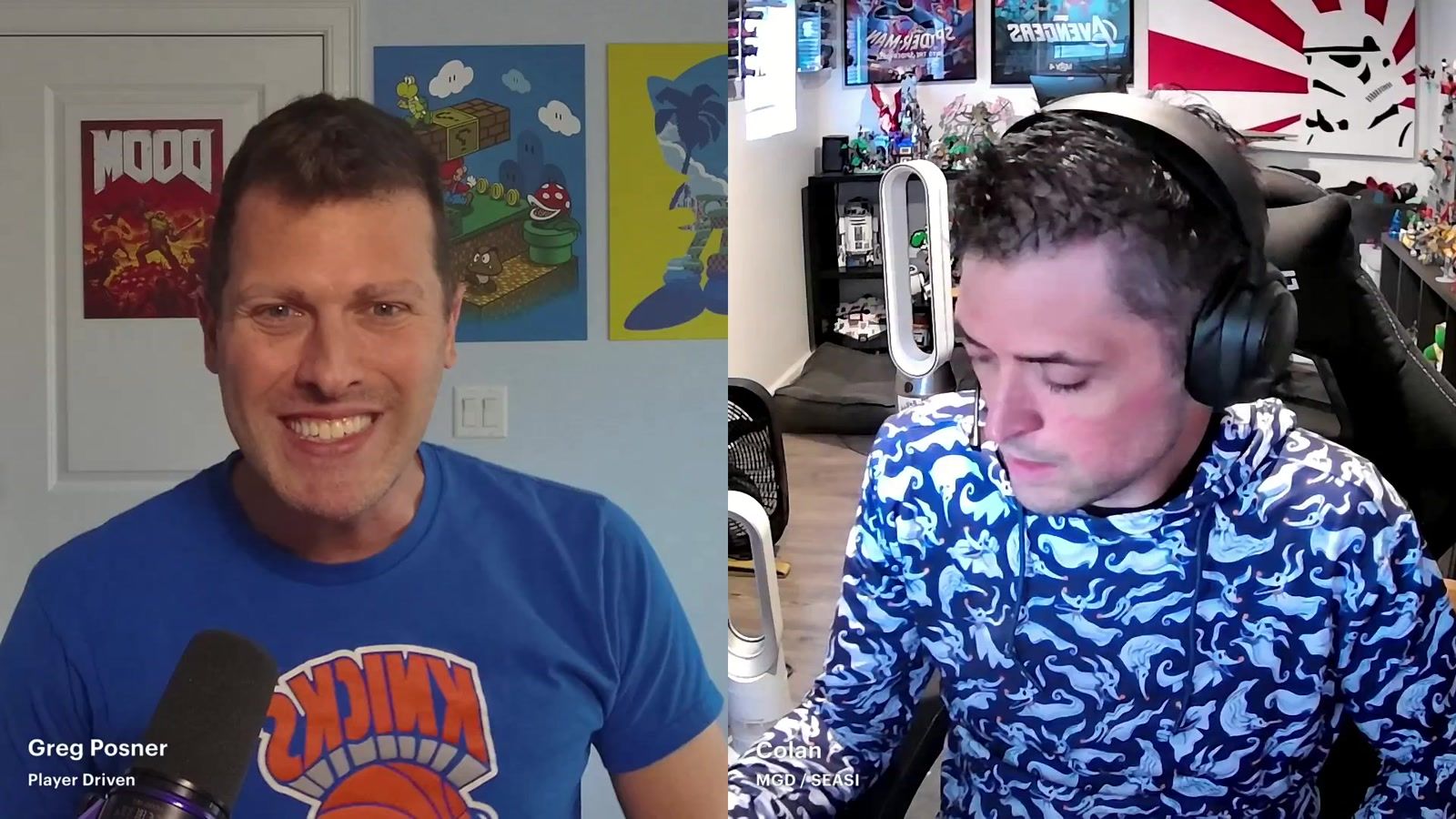
Three of four seats called it positive. Simon's case is that it answers why anyone buys an Xbox, fits Microsoft's stated goals, and costs a company with nothing to lose very little. Greg's is that it has no clear direction: a company that could not make the games or make Game Pass work is now trying a user-generated platform, announced on the same day as a controller, and the people who should worry are mod platforms and creators.
“It answers the question, why would somebody buy an Xbox or, alternatively, what is Xbox going to be in the future?” — Simon Pulman · Never Entertained
Does Marvel Tōkon: Fighting Souls' Steam concurrent player count climb back above 20,000 within 14 days?
The game launched to a 24,498-player Steam peak on August 6 but has already been bleeding players over PSN linking, port performance, and a Mixed rating, dropping to daily peaks as low as roughly 7,000.
Does Marvel Tōkon: Fighting Souls' Steam user rating climb out of 'Mixed' within 30 days of launch?
Critic scores settled strong at Mighty on OpenCritic, but Steam has stayed stuck on Mixed days after launch over a PSN-account backlash plus real anti-cheat and Linux/Steam Machine compatibility failures. That critic-versus-platform gap is the actual live-ops story, not the review score itself.
Will a Microsoft first-party flagship launch day-one on PS5 in 2026?
Microsoft has been quietly shipping first-party titles to rival platforms. The question is whether a tentpole (Halo, Forza, Gears) makes the jump day-one this year.
What's gaining, what's fading, tracked like balance changes.
▲ Buffed
AI-generated content
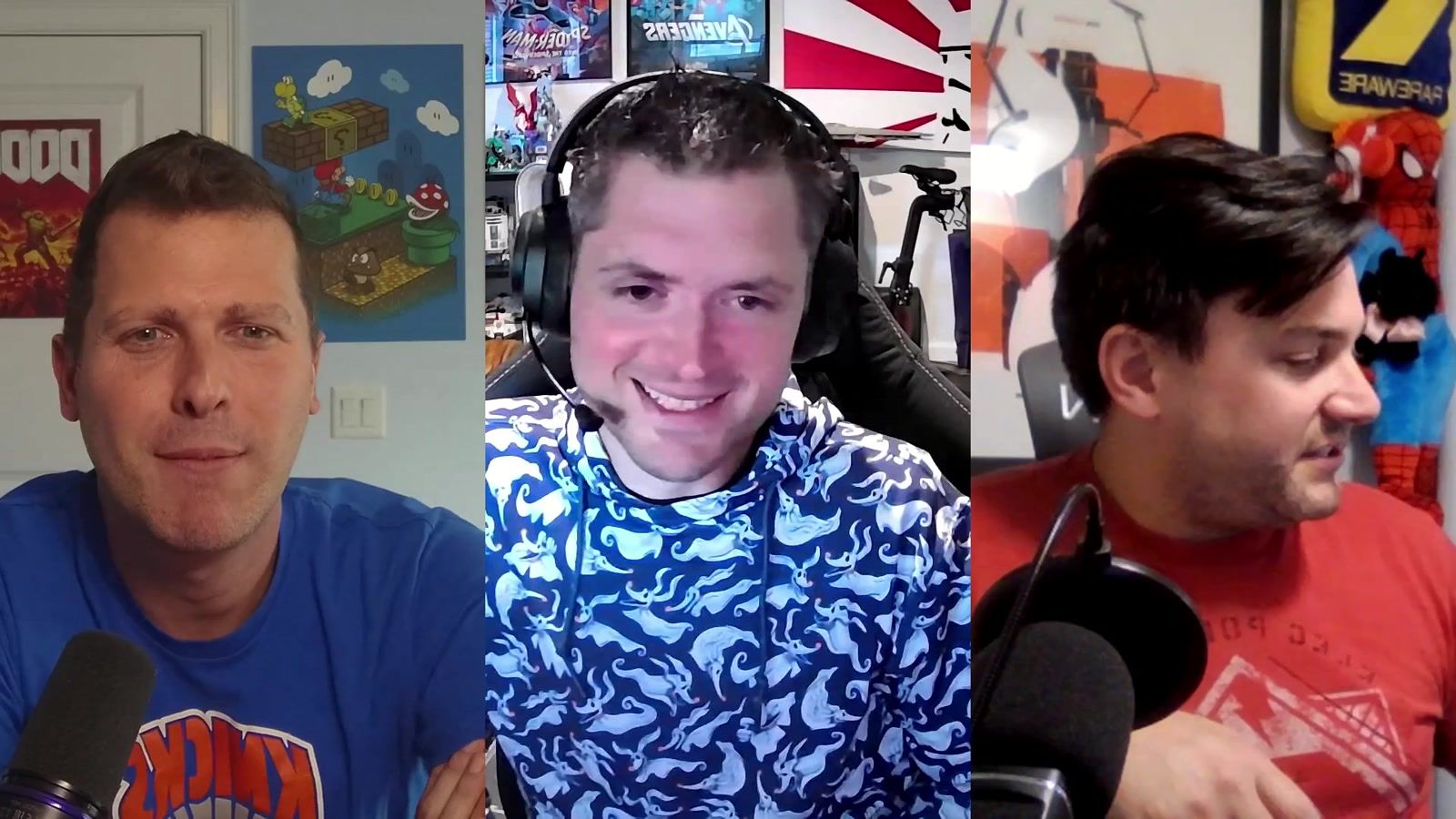
Colan has been to GamesBeat five or six years running and read the room as a reversal: last year was fear of AI, this year was developers pulling him aside to say they cannot say it online but they all use it.
▲ Buffed
Xbox
Microsoft formed Xbox Labs, a small team to rebuild, remix and port games, in the same week a developer said Activision took down his Call of Duty browser game.
If Microsoft proves an ad network for players, does Steam follow?
“I ultimately think they have to because if Microsoft proves out success, then it's a situation of leaving money on th…” — Justin Ruiss · Never Entertained
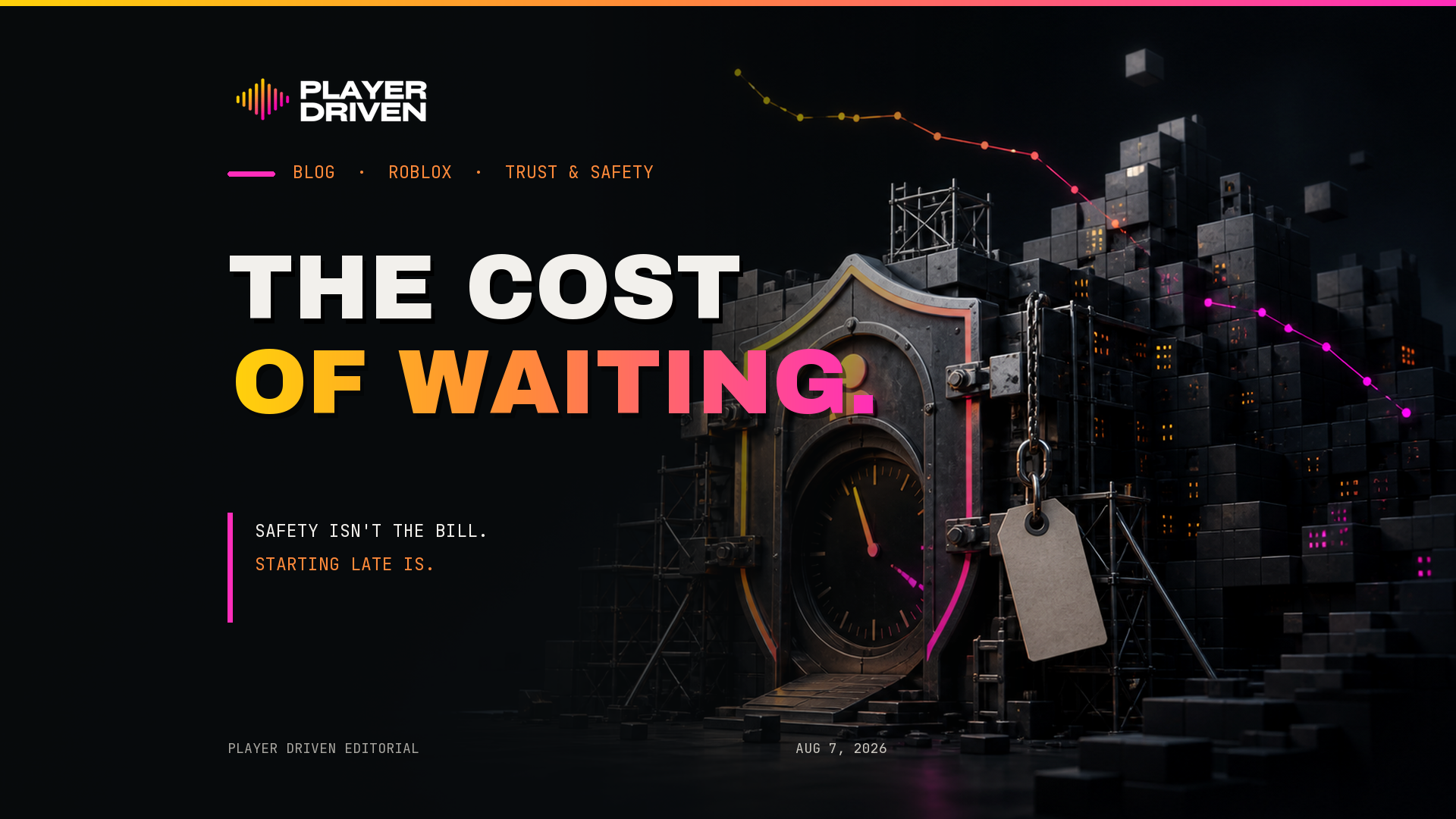
Roblox just priced trust and safety. The number is the cost of waiting.
3 takeaways · tap to read →
The takeaways
1Roblox attributed a guidance withdrawal to age verification and safety changes, the closest thing the industry has ever had to a public price on trust and safety.
2The number measures the retrofit, not the practice. Re-verifying 130 million existing users is a one-time toll a platform that verifies at signup never pays.
3Composition improved while the headline fell: monthly unique payers rose 15 percent to 27 million, and the monetization that dropped was concentrated in under-13s.
Who Pays for the Player Now? Justin Ruiss on Ads, the Xbox Free Tier, and the Second Search War
3 takeaways · tap to read →
The takeaways
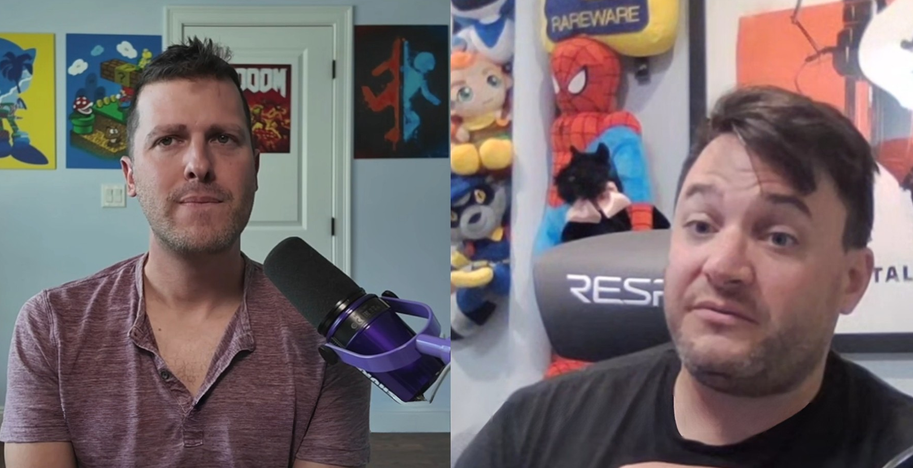
1A free, ad-supported Game Pass tier is Xbox's most logical move, because pre-roll and pause-screen ads give advertisers the measurable signals Roblox's in-world ads still can't.
2GTA 6 reshapes the Roblox creator economy, but it's an 18 to 24 month story, the pressure point is whether Rockstar pays creators once GTA Online launches.
3Ad tolerance is generational: older players will revolt, younger players already expect to watch an ad for a reward.
AI, IP, and Game Development: What Studios Need to Know Before Using Generative AI
3 takeaways · tap to read →
The takeaways
1Define what 'AI use' means inside your studio before you write any policy — procedural systems, licensed ML tools, and generative creative tools carry completely different legal and creative risks.
2A public 'no AI' statement is only as strong as the internal definition behind it — make sure your team can actually operate against the line you've drawn.
3AI output without meaningful human authorship may not be eligible for copyright protection — using generated assets as final commercial work puts your IP ownership at risk.
1Community managers who translate player sentiment into product decisions earn a seat at the table — those who just courier feedback get cut when budgets tighten.
2Build scalable moderation and listening systems before your next growth spike — the crisis will not give you warning.
3Players want to feel heard, not agreed with — a specific, human acknowledgment does more to repair trust than reversing a decision.
Best Player Support Tools for Game Studios in 2026
3 takeaways · tap to read →
The takeaways
1Choose support tooling based on your studio's scale and platform — gaming-native SDKs and AI trained on game ticket types aren't optional when patch-day volume triples overnight.
2In-game support is no longer a differentiator — it's table stakes; every tool your players exit the client to reach costs you retention.
3AI deflection percentages are automation metrics, not resolution guarantees — evaluate them against your actual ticket mix before committing to a platform.
Game Pass Blinked: What Microsoft's Call of Duty Reversal Really Means
3 takeaways · tap to read →
The takeaways
1Your biggest titles are leverage, not giveaways — putting a flagship IP on a subscription is a bet on LTV over cash, and that math breaks when capital demands shift.
2The ad-supported gaming tier is inevitable; the race is which platform gets there first, and the only viable candidate owns both the catalog and the storefront.
3Platform-native advertising only works at scale when one company controls the inventory, the distribution, and the data — brokered ad networks are structurally exposed.
Release Windows Are Strategy: What the May 2026 Gaming Bloodbath Teaches Us About Launch Planning
3 takeaways · tap to read →
The takeaways
1A good game in the wrong launch window is a preventable problem — track demand share and competitive calendars months in advance, not weeks.
2Attention is zero-sum: launching into a crowded window costs you review coverage, streamer slots, social momentum, and word-of-mouth — not just day-one sales.
3The window shapes the narrative permanently — a game labeled a disappointment at launch rarely escapes that framing even when lifetime numbers recover.